Insights & Updates
Discover the latest trends in AI writing, productivity tips, career advice, and OpenWriterAI updates to supercharge your professional journey.
Featured Article
Best AI Humanizer Tools in 2026: Free Options
Compare AI humanizer tools, free-plan limits, readability and meaning preservation. Learn what to check before choosing a tool.

All Articles
11 articles availableBest AI Humanizer Tools in 2026: Free Options
Compare AI humanizer tools, free-plan limits, readability and meaning preservation. Learn what to check before choosing a tool.
Read More
How to Create a Resume in 2026: A Step-by-Step Guide for Beginners
Learn how to create a resume step by step with a free template, stronger bullet examples, ATS-friendly formatting tips, and online tools.
Read More
How to Choose an AI Development Company (2026)
Learn how to choose an AI development company by assessing technical expertise, project experience, security, costs, and long-term support.
Read More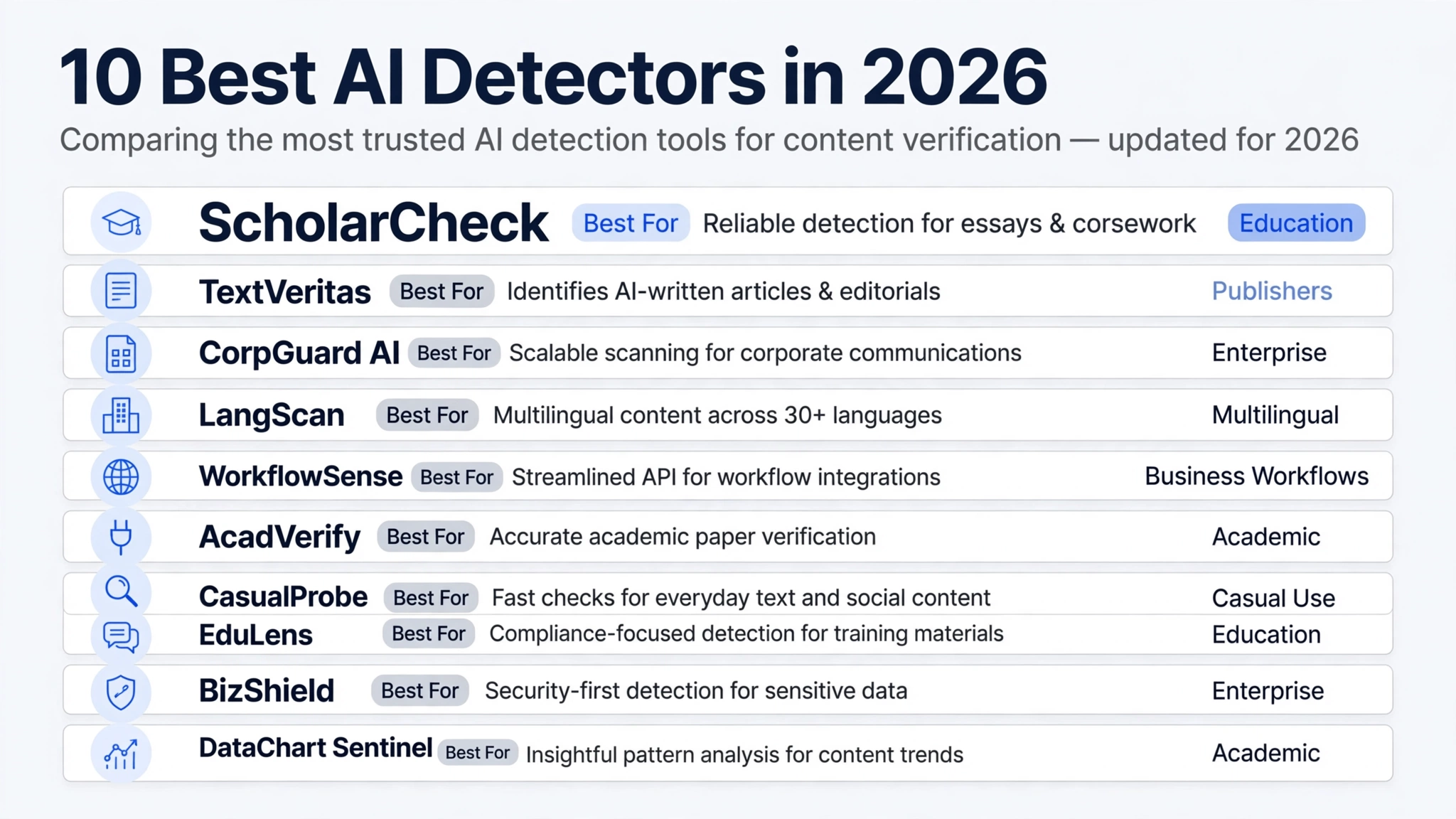
10 Best AI Detectors in 2026: Compared for Accuracy
Compare 10 of the best AI detectors in 2026 by accuracy, false positives, features, price and use case. Find the right detector for your needs.
Read More
Free AI Detector: Check AI-Generated Text and Essays
Want to know whether your content may be AI-generated? Learn how a free AI detector can help you check essays, articles, and other text. This guide explains how AI detectors work, how to review their results, and what to consider when choosing an AI detection tool.
Read More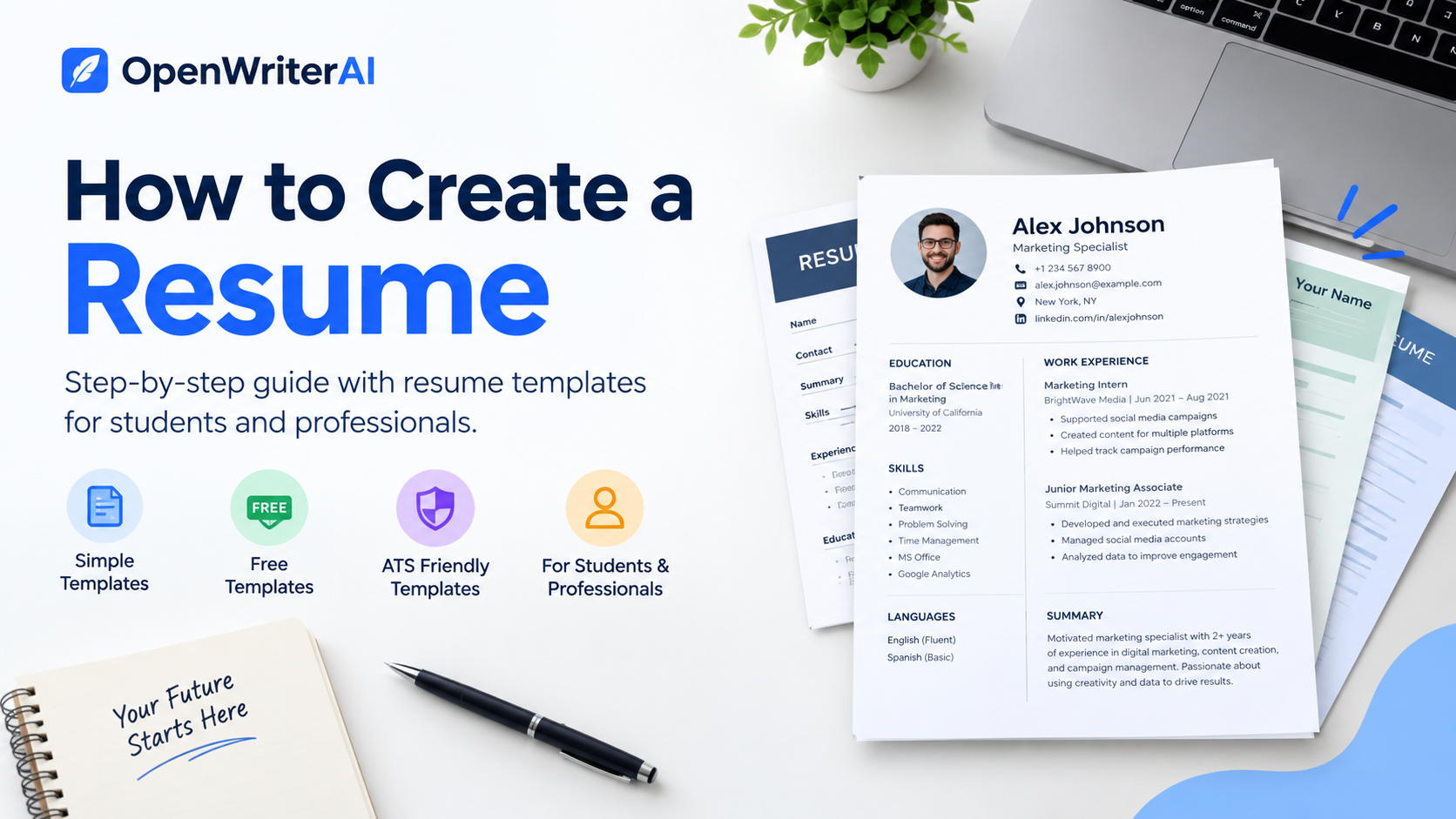
How to Create a Resume: Complete Guide With Resume Templates
Learn how to create a resume with easy steps. This guide shows you what to add to your resume, how to choose the right resume template, how to make an ATS-friendly resume, and how to create a professional resume for jobs, internships, or college.
Read More
AI Detector: Check Your Text with OpenWriterAI’s Free Tool
An AI detector helps analyze text and identify patterns that may indicate AI-generated content. This guide explains how AI detectors work, how they can be used for essays and professional writing, and the difference between an AI detector and an AI humanizer. OpenWriterAI provides an AI Detector and AI Humanizer to help users analyze and improve their content.
Read More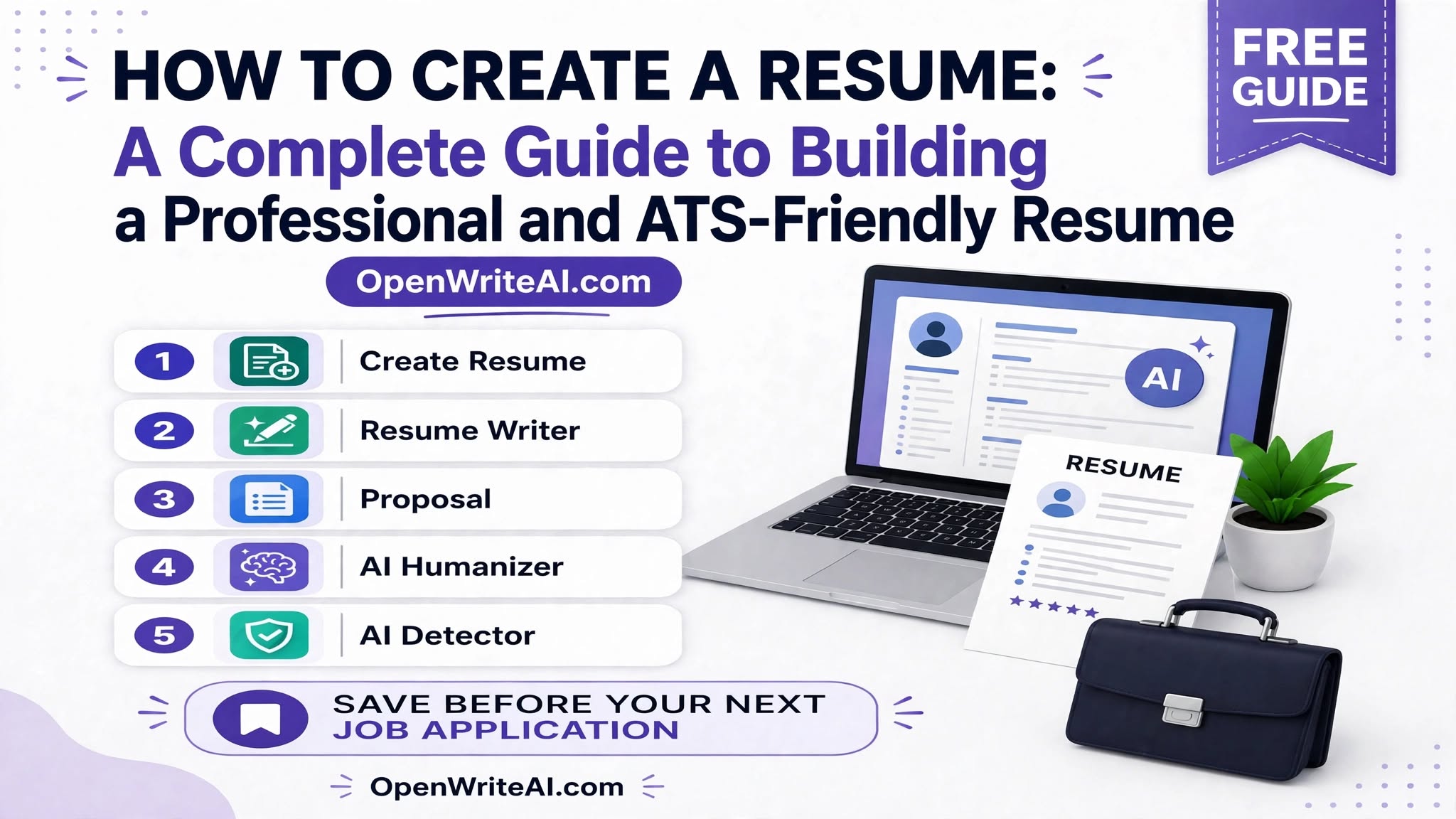
How to Create a Resume: A Complete Guide to Building a Professional and ATS-Friendly Resume
Learn how to create a professional resume from scratch, list the right skills, build a resume with no experience, use a free AI resume builder, and optimize your resume for ATS to improve your chances of getting noticed by employers. .
Read More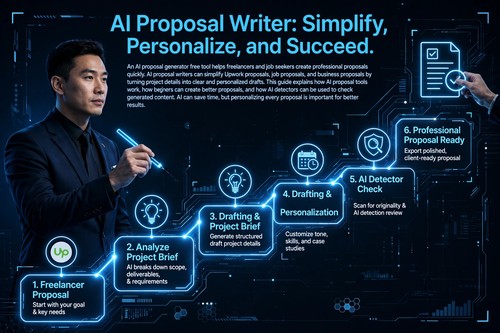
AI Proposal Generator Free: Complete Guide to AI Proposal Writers
An AI proposal generator free tool helps freelancers and job seekers create professional proposals quickly. AI proposal writers can simplify Upwork proposals, job proposals, and business proposals by turning project details into clear and personalized drafts. This guide explains how AI proposal tools work, how beginners can create better proposals, and how AI detectors can be used to check generated content. AI can save time, but personalizing every proposal is important for better results.
Read More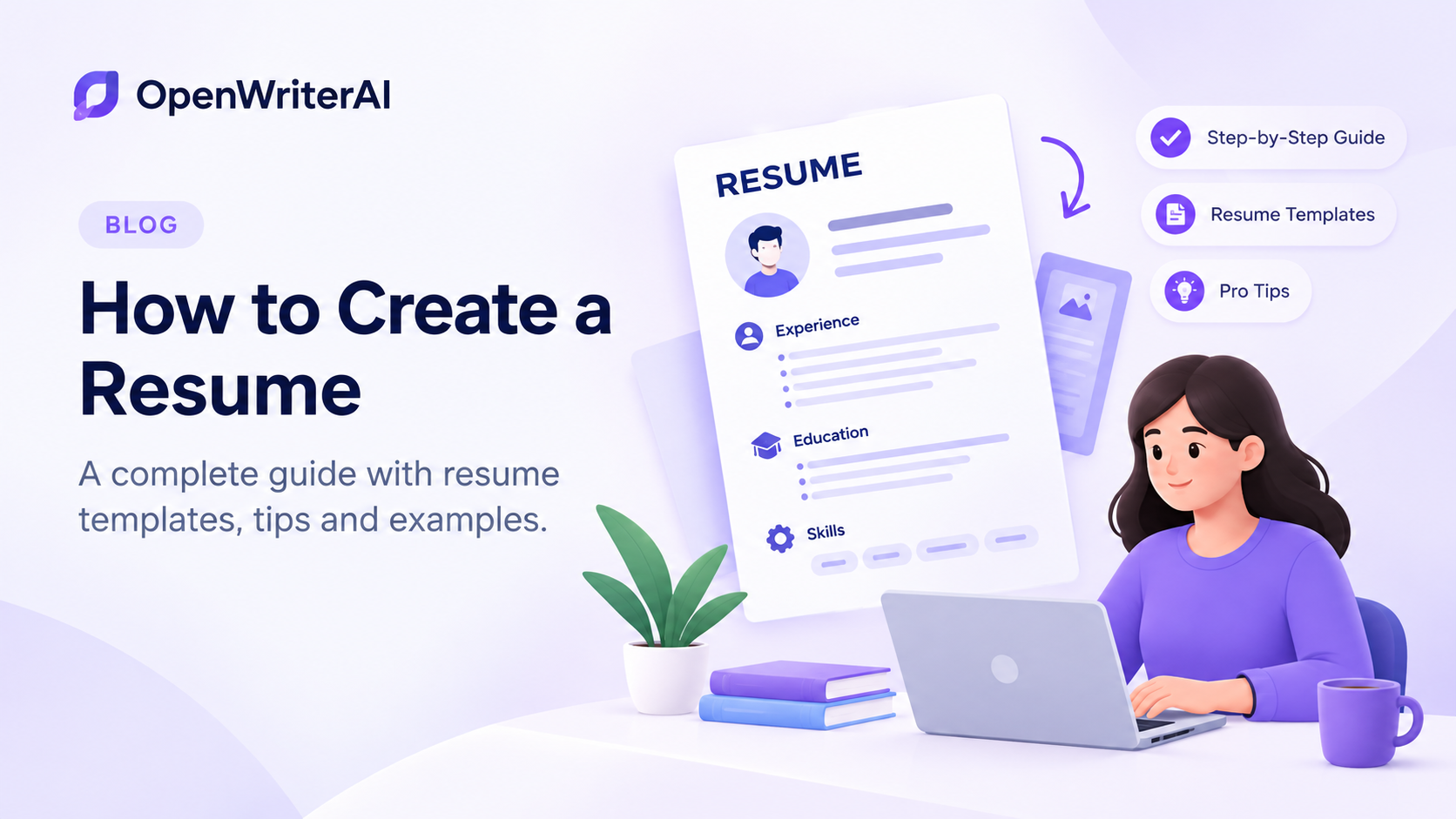
What Is OpenWriterAI? A Complete Guide to AI Writing Tools for Freelancers and Job Seekers
OpenWriterAI is an AI-powered writing and career platform for freelancers, job seekers, and professionals. It provides tools such as an AI Upwork Proposal Writer, AI Resume Builder, ATS resume optimization, AI Humanizer, AI Detector, email writing, LinkedIn optimization, grammar improvement, and browser extension. It helps users save time by creating professional first drafts for proposals, resumes, emails, and other business content. However, users should always review and personalize AI-generated content before using it. In short: OpenWriterAI can help you write faster and more professionally while saving time in your freelancing and job-search workflow.
Read More
Understanding AI: Past, Present & Future
Artificial Intelligence (AI) means making computers smart enough to do tasks that usually need human thinking—like understanding language, recognizing images, making decisions, and learning from data. AI is used everywhere today: in healthcare, finance, online shopping, manufacturing, and everyday tools like search engines and voice assistants. It helps people work faster, make better decisions, and build smarter products. But AI also comes with risks, such as bias, privacy issues, and misuse. So it’s important to use it responsibly and keep humans involved. If you want to learn AI, start with basic Python libraries, study machine learning concepts, build small projects, and explore tools like TensorFlow, PyTorch, and Hugging Face. AI is growing fast and will continue to support humans in coding, design, research, and many other tasks in the future.
Read More